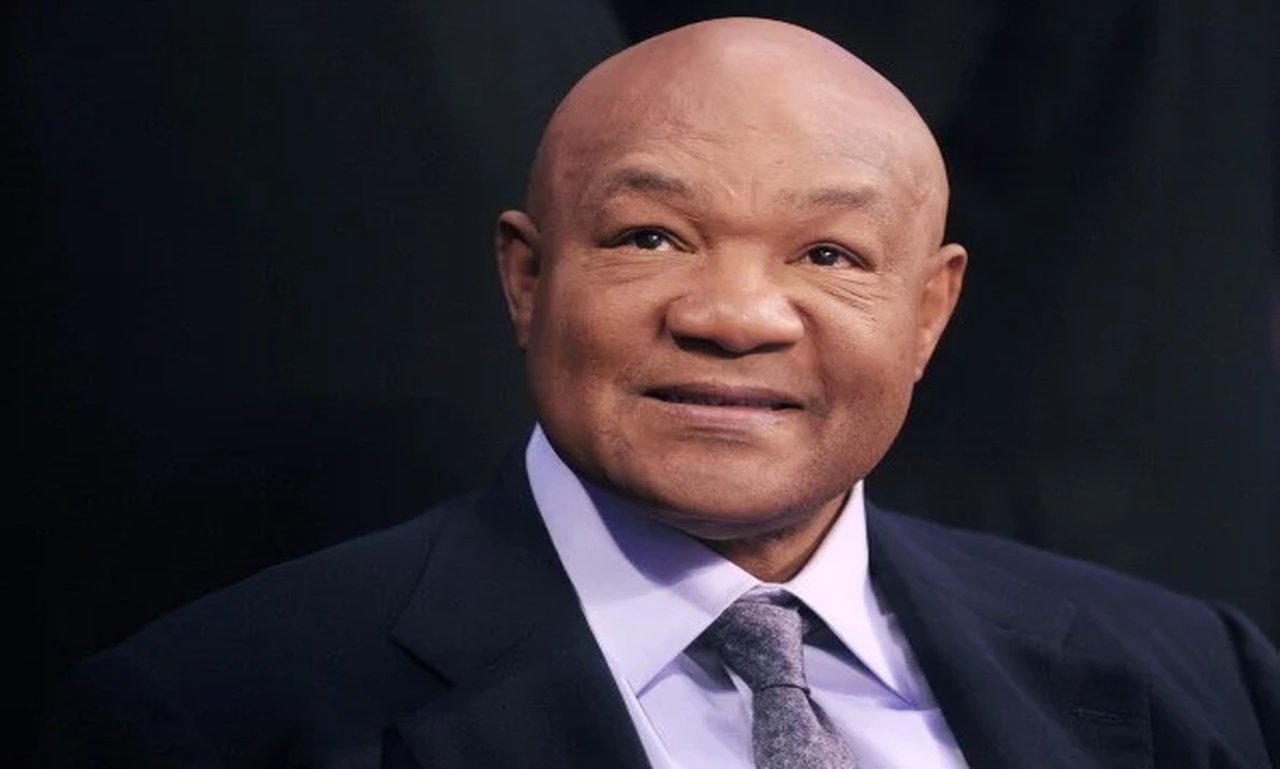
George Foreman net worth was estimated at approximately $300 million at the time of his passing in March 2025. Best known as a two-time world heavyweight champion and Olympic gold medalist, Foreman achieved something few athletes ever accomplish—he built a business empire that generated significantly more wealth than his legendary sporting career.
While boxing introduced George Foreman to the world, entrepreneurship transformed his financial future. His partnership with the George Foreman Lean Mean Fat-Reducing Grilling Machine became one of the most successful celebrity licensing deals of all time. Combined with endorsement contracts, investments, television appearances, book royalties, and speaking engagements, the grill helped him become one of the richest retired athletes in history.
In this article, we’ll explore George Foreman’s net worth, wealth breakdown, major income sources, career achievements, business ventures, assets, lifestyle, and the inspiring story behind one of the greatest financial success stories in sports history.
Quick Facts
| Attribute | Details |
| Full Name | George Edward Foreman |
| Known As | George Foreman |
| Date of Birth | January 10, 1949 |
| Age | 76 (at the time of his passing in March 2025) |
| Birthplace | Marshall, Texas, United States |
| Nationality | American |
| Profession | Professional Boxer, Entrepreneur, Author, Minister |
| Estimated Net Worth | Approximately $300 Million |
| Marital Status | Married to Mary Joan Foreman |
| Children | 12 |
What is George Foreman Net Worth?
At the time of his death in March 2025, George Foreman net worth was estimated at around $300 million. Although he earned millions during his boxing career, industry analysts agree that most of his fortune came from licensing agreements, business ventures, and endorsement partnerships rather than prize money alone.
Unlike many retired athletes whose earnings decline after leaving professional sports, Foreman continued to build wealth for decades through carefully chosen commercial opportunities. His approachable personality, credibility, and worldwide popularity made him one of the most trusted celebrity endorsers of his generation. Instead of depending on a single income stream, he built a diversified financial portfolio that included product licensing, investments, television appearances, publishing, and motivational speaking.
His remarkable financial transformation is especially impressive considering that he once experienced serious financial setbacks after his first retirement from boxing. Rather than allowing those challenges to define his future, Foreman rebuilt his fortune through discipline, smart business decisions, and a willingness to embrace opportunities outside the boxing ring.
Financial Overview
| Income Source | Estimated Contribution |
| George Foreman Grill & Licensing | 65–70% |
| Boxing Career Earnings | 15–20% |
| Brand Endorsements | 5–10% |
| Television & Media | 3–5% |
| Books & Royalties | 2–4% |
| Investments & Other Assets | 5–10% |
Note: These percentages are based on publicly reported business deals, industry estimates, and financial analyses. George Foreman never disclosed an official breakdown of his personal wealth.
Wealth Breakdown
George Foreman’s financial empire wasn’t built overnight. Instead, it resulted from decades of smart decisions, strategic partnerships, and a willingness to expand beyond professional boxing. While championship victories made him famous, it was his entrepreneurial mindset that ultimately made him one of the wealthiest athletes in history.
His wealth came from several sources, including boxing purses, endorsement contracts, licensing agreements, investments, television appearances, publishing royalties, and public speaking. By creating multiple income streams, Foreman ensured his wealth continued growing long after his final fight.
The George Foreman Grill: His Biggest Financial Success
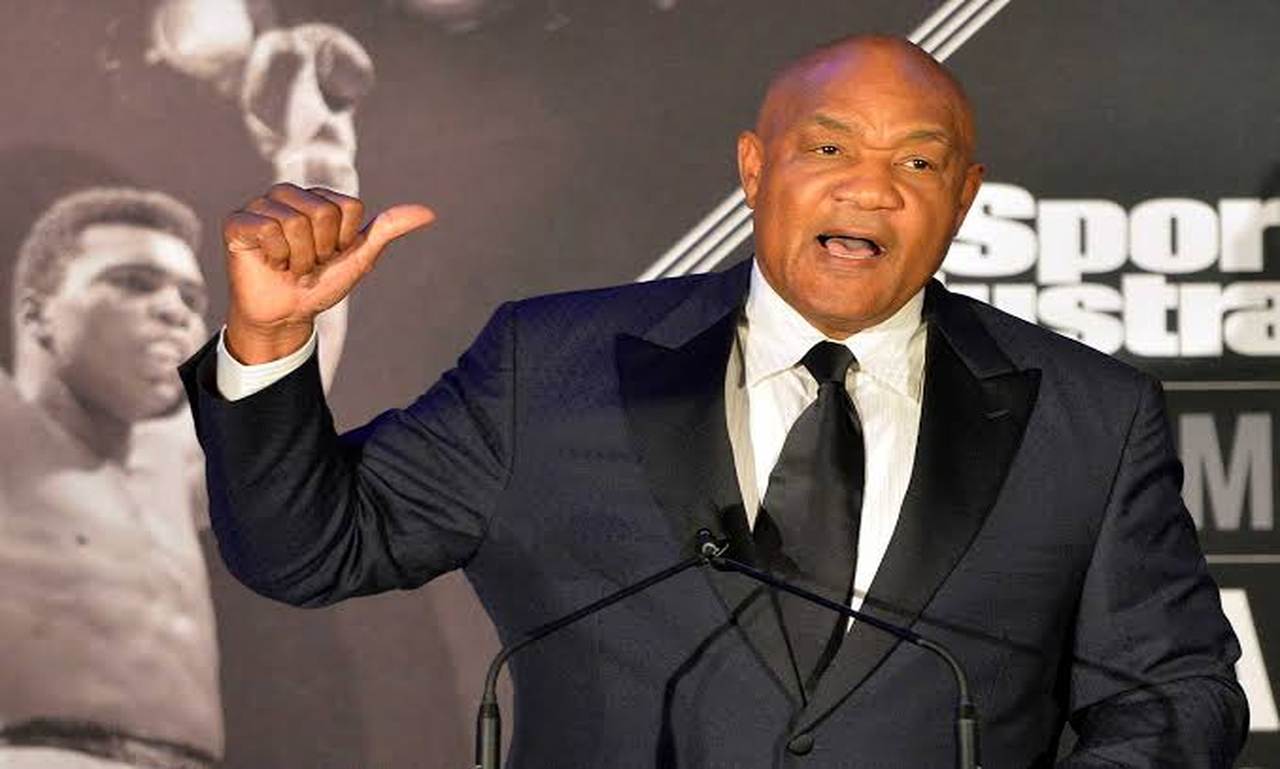
The single largest contributor to George Foreman’s fortune was the George Foreman Lean Mean Fat-Reducing Grilling Machine. Introduced during the 1990s, the countertop appliance quickly became a global success thanks to its health-conscious design, ease of use, and Foreman’s friendly television commercials.
What made this partnership truly remarkable was the structure of the agreement. Instead of accepting a one-time endorsement fee, Foreman negotiated a royalty-based licensing deal. This meant he earned a percentage of sales for every grill sold, allowing his income to grow alongside the product’s popularity. It proved to be one of the smartest financial decisions ever made by a professional athlete.
The grill went on to sell more than 100 million units worldwide, making it one of the highest-selling celebrity-endorsed products in history. During its peak, reports suggested that Foreman was earning millions of dollars every month in royalties, far exceeding what he had made as a professional boxer.
The $138 Million Salton Deal
One of the defining moments in George Foreman’s financial journey came in 1999, when Salton Inc., the company behind the George Foreman Grill, purchased the permanent naming and marketing rights to use his name.
The reported deal, valued at approximately $138 million in cash and stock, instantly became one of the largest endorsement buyouts ever completed by a professional athlete. Rather than continuing to receive ongoing royalty payments, Foreman secured a massive lump-sum payout that significantly increased his overall fortune.
Even decades later, the agreement remains one of the most successful licensing deals in sports history. Business experts frequently cite it as an example of how intellectual property and personal branding can generate more wealth than athletic performance alone.
Boxing Earnings
Before becoming a business icon, George Foreman established himself as one of the most feared heavyweight boxers of all time. Throughout his professional career, he earned substantial prize money by competing in some of boxing’s biggest events against legendary opponents such as Muhammad Ali, Joe Frazier, Ken Norton, Ron Lyle, Evander Holyfield, and Michael Moorer.
One of his highest reported boxing paydays came in 1991, when he earned approximately $12.5 million for challenging Evander Holyfield for the undisputed heavyweight championship. Although Foreman lost the fight on points, the event became one of the highest-profile bouts of his comeback and generated a significant financial reward.
Despite earning millions inside the ring, Foreman later acknowledged that his business ventures ultimately produced far greater wealth. His story illustrates how long-term financial planning and strategic partnerships can outperform even the most successful athletic careers.
Key Takeaway
George Foreman’s financial legacy extends far beyond boxing championships. While his achievements in the ring earned him worldwide recognition, his greatest accomplishment was transforming that fame into a sustainable business empire. Through licensing, endorsements, investments, and smart financial management, he built an estimated $300 million fortune and established a blueprint for future generations of athletes seeking long-term financial success.
Income Sources
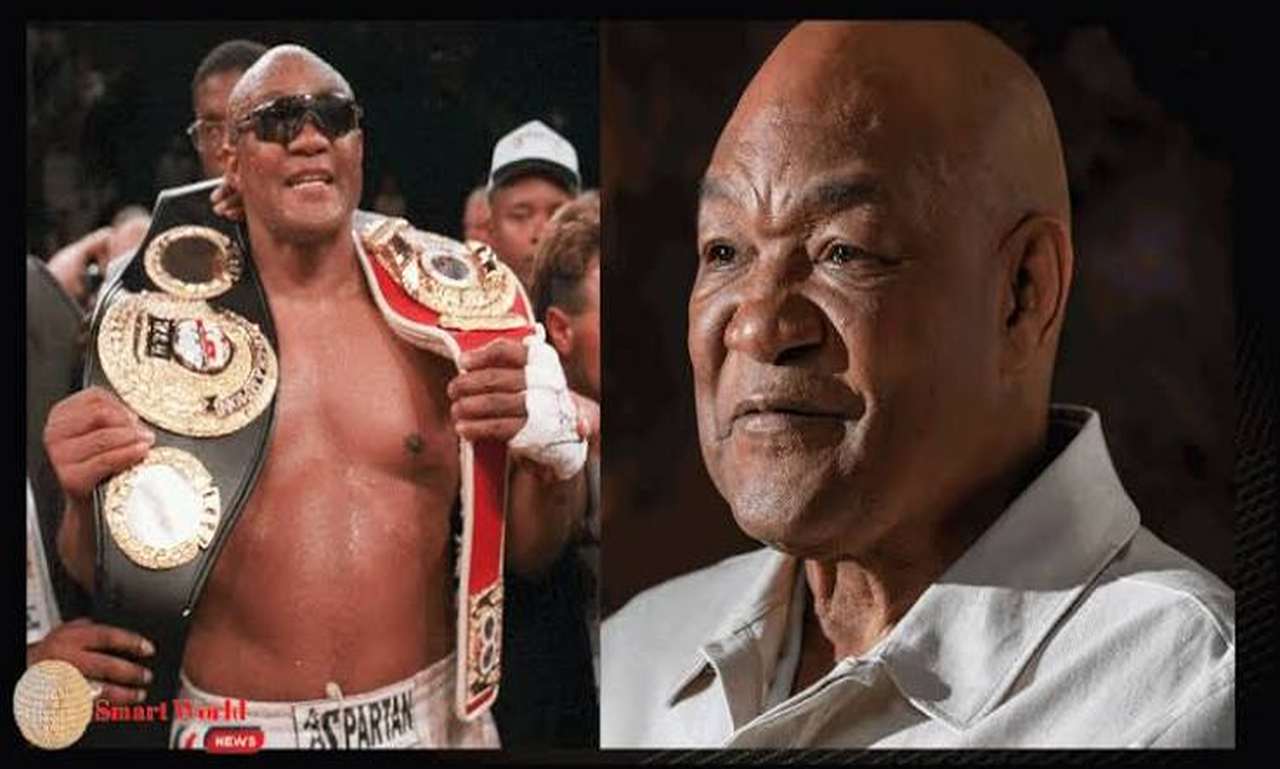
George Foreman’s estimated fortune wasn’t built from boxing alone. Although he earned millions as a heavyweight champion, the majority of his wealth came from carefully selected business opportunities that continued generating income long after he retired from professional sports. By diversifying his earnings across multiple industries, Foreman created a financial empire that made him one of the wealthiest retired athletes in the world.
Unlike many boxers who depend almost entirely on fight purses, Foreman understood the importance of building passive income. He invested in licensing agreements, endorsement partnerships, publishing, media appearances, real estate, and public speaking. This strategy ensured that his earnings continued to grow even when he was no longer competing inside the ring.
Boxing Salary and Fight Earnings
George Foreman began his professional boxing career in 1969, shortly after winning the heavyweight gold medal at the 1968 Summer Olympics in Mexico City. Known for his extraordinary punching power and aggressive fighting style, he quickly became one of boxing’s biggest attractions. As his popularity increased, so did his fight purses, with championship bouts generating millions of dollars in earnings.
Throughout his career, Foreman fought some of the greatest heavyweights in boxing history, including Joe Frazier, Muhammad Ali, Ken Norton, Ron Lyle, Evander Holyfield, and Michael Moorer. These legendary matchups not only cemented his place in boxing history but also contributed significantly to his financial success. Championship fights, television rights, promotional contracts, and appearance fees made him one of the highest-paid athletes of his era.
One of his biggest reported paydays came in 1991, when he earned approximately $12.5 million for challenging Evander Holyfield for the undisputed heavyweight championship. Although he lost the fight by unanimous decision, the event became one of the highest-grossing bouts of his remarkable comeback. Despite these impressive earnings, Foreman often acknowledged that the money he made from business far exceeded anything he earned inside the ring.
George Foreman Grill
The George Foreman Lean Mean Fat-Reducing Grilling Machine completely transformed George Foreman’s financial future. Launched in the mid-1990s, the countertop grill became an instant success because it offered consumers a simple way to prepare healthier meals by reducing excess fat during cooking. Combined with Foreman’s friendly personality and relatable advertising campaigns, the product quickly became a household name across the United States and many international markets.
Rather than accepting a traditional endorsement fee, Foreman negotiated a royalty-based licensing agreement that allowed him to earn a percentage of every grill sold. This decision proved to be one of the smartest financial moves ever made by a professional athlete. The grill eventually sold more than 100 million units worldwide, making it one of the most successful celebrity-endorsed products in history.
The success of the grill reached another milestone in 1999, when Salton Inc. reportedly purchased the permanent rights to use George Foreman’s name for approximately $138 million in cash and stock. The agreement dramatically increased his personal wealth and remains one of the largest endorsement buyouts ever recorded in the sports industry.
Brand Endorsements
George Foreman’s warm personality, honesty, and inspirational life story made him an ideal spokesperson for a wide range of brands. Unlike many celebrities who endorsed dozens of unrelated products, Foreman was selective about the partnerships he accepted. His credibility helped consumers trust the products he promoted, increasing their commercial success.
Throughout his career, he appeared in television commercials, print advertisements, promotional campaigns, and brand partnerships that generated millions of dollars in additional income. His endorsements extended beyond kitchen appliances and included health, fitness, lifestyle, and consumer products. Because of his positive public image, companies viewed him as a reliable ambassador capable of connecting with audiences of all ages.
Television, Books, and Public Speaking
George Foreman’s popularity extended well beyond professional boxing. He became a familiar face on television through sports commentary, talk show appearances, documentaries, reality programs, and interviews. These media appearances kept him in the public eye while strengthening his personal brand and creating additional revenue opportunities.
Foreman also authored several books covering topics such as faith, leadership, health, personal development, and his remarkable comeback story. His books attracted readers interested in both his sporting achievements and the life lessons he learned throughout his career. Royalties from book sales became another steady source of passive income.
As a respected motivational speaker, Foreman was frequently invited to address businesses, universities, churches, and leadership conferences around the world. His speeches focused on perseverance, discipline, entrepreneurship, and overcoming adversity, making him a sought-after speaker long after his retirement from boxing.
Investments
In addition to his endorsement income, George Foreman made strategic investments that helped preserve and grow his wealth. Although he kept many of his financial affairs private, public reports indicate that he invested in real estate, private businesses, and other long-term assets that provided financial stability beyond boxing and endorsements.
Rather than spending his earnings extravagantly, Foreman focused on building sustainable wealth that would benefit his family for generations. His disciplined approach to investing played an important role in maintaining his estimated $300 million fortune and protecting his financial future.
Early Life and Education
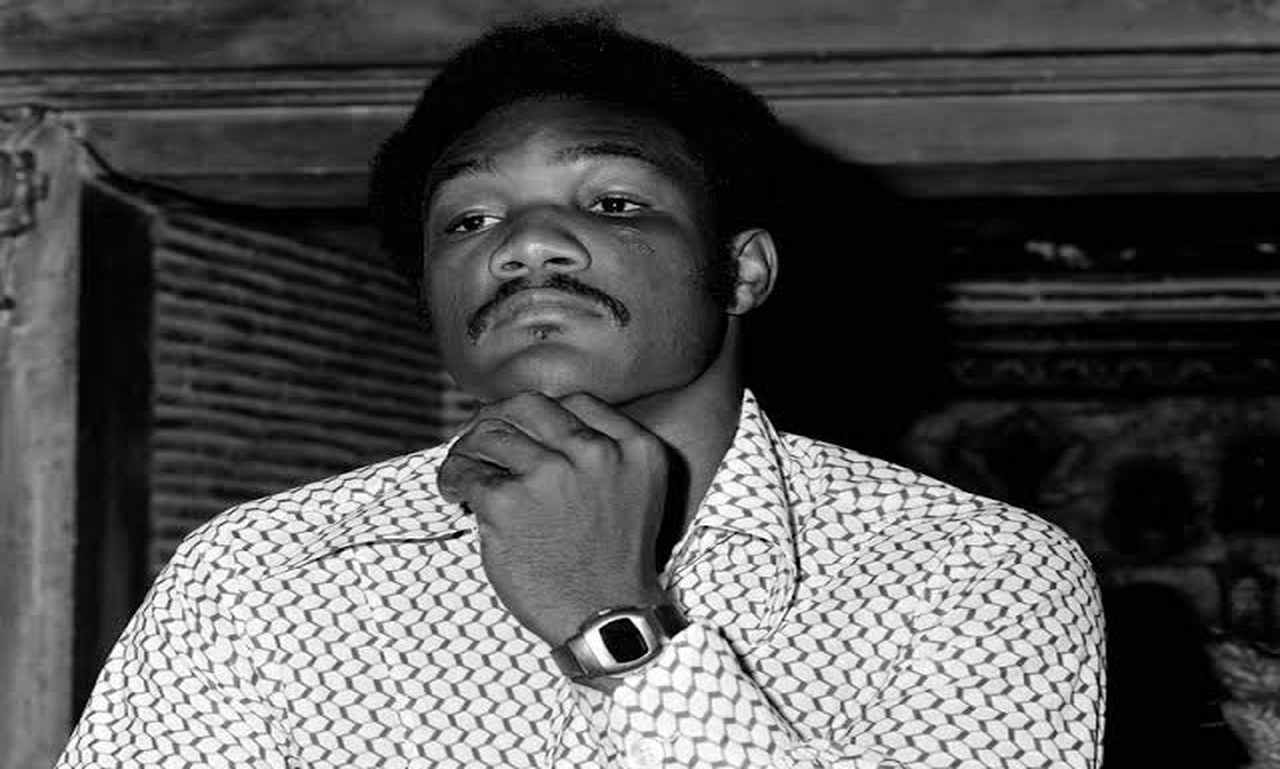
George Edward Foreman was born on January 10, 1949, in Marshall, Texas, before being raised in Houston’s Fifth Ward, a neighborhood known for poverty, crime, and limited opportunities. His childhood was far from easy, and he later admitted that he often struggled with discipline and direction during his teenage years. Before discovering boxing, he dropped out of school and became involved in street fights, believing he had little chance of building a successful future.
Everything changed when Foreman joined the Job Corps, a U.S. government vocational training program designed to help young people develop practical skills and complete their education. While participating in the program, he earned his GED and met boxing coach Doc Broadus, who recognized his extraordinary strength and encouraged him to pursue the sport seriously. Under Broadus’s guidance, Foreman developed rapidly, combining natural athletic ability with relentless determination.
Within only a few years of learning the sport, Foreman qualified for the 1968 Summer Olympics in Mexico City. He won the heavyweight gold medal by defeating Jonas Čepulis in the final, instantly becoming one of America’s brightest young boxing stars. That Olympic victory launched a career that would eventually lead him to world championships, international fame, and extraordinary financial success.
Career Journey
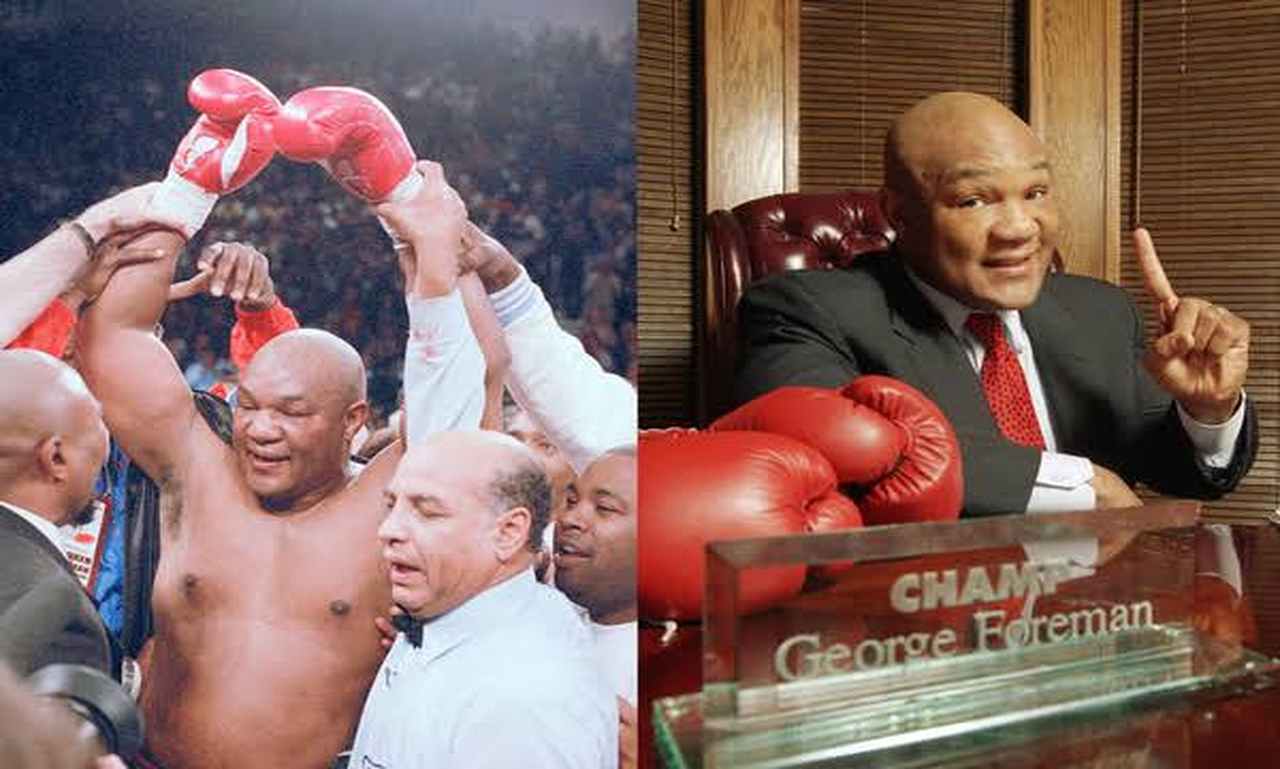
After turning professional in 1969, George Foreman quickly established himself as one of boxing’s most feared heavyweight contenders. His devastating punching power resulted in a series of knockout victories that earned him a reputation as one of the sport’s hardest hitters. Fans and experts alike viewed him as a future world champion because of his strength, confidence, and aggressive fighting style.
Foreman’s breakthrough came in 1973, when he defeated Joe Frazier to capture the world heavyweight championship. The victory shocked many boxing fans due to the dominant manner in which he defeated the previously unbeaten champion. One year later, Foreman defended his title against Muhammad Ali in the legendary “Rumble in the Jungle” in Zaire. Although he lost the fight after Ali’s famous “rope-a-dope” strategy, the event remains one of the most iconic sporting contests ever held and significantly enhanced Foreman’s global reputation.
Following his retirement in 1977, Foreman became an ordained minister and focused on his faith, family, and community work. However, financial challenges motivated him to return to boxing in 1987, a decision many critics believed would end in failure. Instead, he shocked the sporting world by defeating younger contenders and earning another opportunity to fight for the heavyweight title.
The defining moment of his comeback came in 1994, when he knocked out Michael Moorer to regain the heavyweight championship at the age of 45, becoming the oldest heavyweight champion in boxing history. This remarkable achievement not only restored his status as a boxing legend but also increased his popularity with advertisers, ultimately leading to even greater success in business and endorsements.
Major Achievements
George Foreman’s career is filled with accomplishments that extend far beyond championship belts. He won the Olympic heavyweight gold medal in 1968, became a two-time world heavyweight champion, and made history by reclaiming the title at 45 years old—a record that still stands today. His achievements earned him induction into the International Boxing Hall of Fame, where he is recognized as one of the greatest heavyweights of all time.
Outside the ring, Foreman built one of the most successful business careers ever achieved by a professional athlete. The George Foreman Grill sold over 100 million units worldwide, while his reported $138 million licensing deal with Salton Inc. became one of the largest endorsement agreements in sports history. His ability to reinvent himself as a businessman, author, television personality, minister, and motivational speaker ensured that his influence extended far beyond boxing.
By the time of his passing in March 2025, George Foreman had left behind a legacy defined by resilience, determination, faith, and financial success. His story continues to inspire athletes, entrepreneurs, and business leaders around the world, proving that true success comes not only from talent but also from vision, adaptability, and smart decision-making.
Assets and Lifestyle
George Foreman’s financial success allowed him to enjoy a comfortable lifestyle, but he was never known for excessive luxury or flashy spending. Instead of constantly showcasing expensive possessions, Foreman focused on building long-term wealth through smart investments, business ownership, and financial discipline. His approach to money reflected the lessons he learned after facing financial difficulties earlier in life.
A significant portion of his wealth was invested in real estate, including his well-known ranch in Texas, where he spent much of his retirement. The ranch served as both a family home and a peaceful retreat away from the spotlight. In addition to real estate, Foreman reportedly invested in private businesses and other long-term assets that helped preserve and grow his fortune over the years.
Foreman also owned several luxury vehicles and enjoyed the rewards of his success, but he consistently emphasized that financial security was more important than extravagant spending. Through interviews and public appearances, he often encouraged young athletes to save money, invest wisely, and prepare for life after sports. His disciplined approach to wealth management played a major role in maintaining his estimated $300 million fortune.
Beyond personal assets, Foreman’s most valuable holdings included intellectual property, licensing agreements, publishing rights, endorsement contracts, and investment portfolios. These business assets continued generating income long after his retirement, proving that strategic financial planning can create wealth that lasts for generations.
Personal Life
George Edward Foreman was born on January 10, 1949, and throughout his life became known not only as a legendary boxer but also as a devoted husband, father, minister, and businessman. His personal journey was marked by remarkable transformation—from a troubled teenager growing up in poverty to one of the most respected figures in the sporting world.
Foreman married Mary Joan Foreman in 1985, and the couple remained together for decades. Family was one of the most important aspects of his life, and he often credited his wife for supporting him through both his boxing comeback and his successful business career. Despite his demanding schedule, Foreman always emphasized the importance of spending time with his loved ones.
He was the proud father of 12 children, including five sons who all share the name George Edward Foreman. Foreman famously explained that he gave each son the same name because he wanted them to share a lifelong bond and always remember that they were part of the same family. His daughters were also an important part of his life, and he frequently spoke about the importance of raising children with strong values and respect.
Following his first retirement from boxing in 1977, Foreman experienced a profound spiritual awakening and became an ordained Christian minister. He dedicated many years to preaching, mentoring young people, and supporting charitable initiatives through the George Foreman Youth and Community Center. His faith influenced every stage of his life and remained central to his identity until his passing in March 2025.
George Foreman Net Worth Growth Timeline
George Foreman’s financial journey is one of the most impressive examples of wealth creation in professional sports. Although he earned millions from boxing, the largest increase in his fortune came after he entered the business world. His licensing agreement for the George Foreman Grill, combined with endorsement contracts, investments, television work, and publishing, transformed him into one of the wealthiest retired athletes in history.
The following timeline provides an estimated overview of how his wealth grew throughout different stages of his career. These figures are based on publicly available financial reports, industry estimates, and widely reported business transactions rather than official financial disclosures.
| Year | Estimated Net Worth |
| 1975 | $5 Million |
| 1985 | $2 Million* |
| 1995 | $50 Million |
| 2000 | $150 Million |
| 2010 | $250 Million |
| 2020 | $290 Million |
| 2025 | Approximately $300 Million |
Note: The temporary decline in the 1980s reflects Foreman’s reported financial struggles before his successful boxing comeback and business ventures. Since George Foreman never publicly released his complete financial records, all figures should be considered informed estimates.
Interesting Facts About George Foreman
George Foreman’s life was filled with extraordinary achievements both inside and outside the boxing ring. Here are some interesting facts that highlight his remarkable journey:
- George Foreman won the Olympic heavyweight gold medal at just 19 years old during the 1968 Summer Olympics in Mexico City.
- He became the oldest heavyweight world champion in boxing history by defeating Michael Moorer at the age of 45.
- Foreman finished his professional career with an outstanding record of 76 wins, 5 losses, and 68 victories by knockout.
- The George Foreman Lean Mean Fat-Reducing Grilling Machine sold more than 100 million units worldwide, becoming one of the best-selling celebrity-endorsed kitchen appliances ever.
- During the grill’s peak success, Foreman reportedly earned millions of dollars every month through royalties and licensing payments.
- In 1999, Salton Inc. reportedly paid approximately $138 million in cash and stock for the permanent rights to use his name on the grill.
- One of his highest reported boxing purses was around $12.5 million for his 1991 heavyweight title fight against Evander Holyfield.
- After retiring from boxing, he became an ordained Christian minister and spent years serving his local community.
- Foreman authored several books focused on leadership, faith, health, motivation, and personal success.
- His incredible comeback from retirement to heavyweight champion remains one of the greatest comeback stories in sports history.
Frequently Asked Questions (FAQs)
1. What was George Foreman’s net worth when he died?
George Foreman’s estimated net worth at the time of his passing in March 2025 was approximately $300 million, according to widely reported financial estimates.
2. How did George Foreman make most of his money?
Although he earned millions during his boxing career, the majority of his wealth came from the George Foreman Grill, licensing agreements, endorsement deals, investments, books, and media appearances.
3. How much did George Foreman earn from the George Foreman Grill?
While the exact amount has never been officially disclosed, the grill sold more than 100 million units worldwide. Foreman reportedly earned substantial royalties and later received approximately $138 million when Salton Inc. purchased the permanent rights to use his name in 1999.
4. What was George Foreman’s biggest boxing payday?
One of his largest reported fight purses was around $12.5 million, earned for his 1991 heavyweight championship bout against Evander Holyfield.
5. Why is George Foreman’s financial success unique?
George Foreman is widely regarded as one of the greatest athlete-entrepreneurs in history because he earned significantly more from business ventures than from professional boxing. His licensing strategy and brand partnerships transformed his sporting fame into a long-lasting financial empire, making him a role model for future generations of athletes.
Conclusion
George Foreman net worth, estimated at approximately $300 million at the time of his passing in March 2025, represents one of the most remarkable financial success stories in sports history. While his achievements as an Olympic gold medalist and two-time heavyweight world champion made him a global icon, it was his entrepreneurial mindset that transformed him into one of the wealthiest former athletes in the world.
The overwhelming success of the George Foreman Grill, together with endorsement deals, investments, books, television appearances, and speaking engagements, allowed him to build a fortune that far exceeded his boxing earnings. His reported $138 million agreement with Salton Inc. remains one of the most significant licensing deals ever completed by a professional athlete and continues to be studied as a model of successful personal branding.
More importantly, George Foreman’s legacy extends beyond wealth. He will be remembered as a champion who overcame adversity, rebuilt his career after retirement, inspired millions through his faith and perseverance, and proved that true success comes from combining talent with smart financial decisions. His journey continues to serve as an inspiration for athletes, entrepreneurs, and anyone striving to build a lasting legacy
you can Must read about our latest article:’Ashton Kutcher Net Worth ”
