
The commonly reported DMX net worth estimate is negative $1 million at the time of his death in April 2021. This figure is an estimate rather than a final, independently verified accounting of his estate. Court filings indicated that the value of his estate was disputed, with some of his children estimating it at less than $50,000 and others placing it below $1 million. His music catalog also had considerable future earning potential, making his financial situation more complicated than a single number suggests.
DMX’s story shows that commercial success does not always lead to lasting financial security. His income came from album sales, touring, performances, film appearances, and music royalties, while taxes, child support obligations, legal expenses, and other liabilities affected his finances. His music continues to attract listeners, keeping interest in his wealth and legacy alive in 2026.
Quick Facts
| Detail | Information |
| Real Name | Earl Simmons |
| Stage Name | DMX |
| Date of Birth | December 18, 1970 |
| Date of Death | April 9, 2021 |
| Age at Death | 50 years |
| Birthplace | Mount Vernon, New York, United States |
| Nationality | American |
| Profession | Rapper, songwriter, actor |
| Music Genre | Hip-hop, hardcore rap |
| Famous Albums | It’s Dark and Hell Is Hot, Flesh of My Flesh, Blood of My Blood |
| Famous Songs | “Ruff Ryders’ Anthem,” “Party Up,” “Where the Hood At?” |
| Children | 15, according to widely reported accounts |
| Estimated Net Worth at Death | Commonly reported as -$1 million; unverified |
| Main Income Sources | Music, touring, acting, royalties |
What Was DMX Net Worth in 2026?
The most widely circulated estimate for DMX net worth is negative $1 million, referring to his financial position around the time of his death. It is important to understand that this number is not an official final estate valuation. Different reports have used different figures because his assets, debts, music rights, and future royalty income were not all measured in the same way.
DMX died on April 9, 2021, at age 50. Reports following his death described an estate with limited immediately available assets and significant financial obligations. Some estimates suggested that his liabilities exceeded his readily available wealth, even though his music catalog continued to hold commercial value.
A net worth calculation compares a person’s assets with their debts. Assets may include money, property, vehicles, royalties, recording rights, and other valuable interests. Liabilities may include taxes, loans, unpaid support, legal judgments, and other obligations.
For a musician, this calculation can be difficult because future royalties may be valuable without providing immediate cash. The amount an estate eventually receives also depends on contractual rights, expenses, creditor claims, and the administration of the estate.
Therefore, the best way to understand DMX net worth is to separate the commonly reported negative estimate from the value of the music and other rights he left behind. His exact final financial position cannot be established simply by repeating one online figure.
How Did DMX Make His Money?
DMX built his career through music, live performances, recording contracts, and acting. His greatest commercial success came during the late 1990s and early 2000s, when his albums and singles helped establish him as a major name in American hip-hop.
1. Album Sales and Recording Contracts
DMX broke into mainstream success in 1998 with It’s Dark and Hell Is Hot. The album debuted at No. 1 on the Billboard 200 and became a major commercial success. Its popularity helped establish his distinctive style, which combined intense street narratives with emotional reflections and spiritual themes.
Later that year, he released Flesh of My Flesh, Blood of My Blood, which also reached No. 1 on the Billboard 200. Releasing two successful albums in the same year was a major achievement and strengthened his position in the music industry.
His subsequent albums included …And Then There Was X, which featured the hit single “Party Up (Up in Here).” The song became one of his best-known tracks and helped extend his popularity beyond his initial breakthrough.
2. Music Royalties and Publishing
Music royalties are an important part of a recording artist’s long-term earning potential. They can come from streaming, radio broadcasts, licensed uses in films and television, and other forms of music distribution. Songwriting and publishing rights can generate additional income when the relevant agreements allow it.
DMX’s catalog includes recognizable songs such as “Ruff Ryders’ Anthem,” “Party Up,” and “X Gon’ Give It to Ya.” These tracks continue to be associated with his name and can reach new listeners through playlists, films, online videos, and streaming services.
The money generated by a song is usually divided among the parties entitled to receive royalties. These may include recording rights owners, songwriters, publishers, distributors, and other contractual partners. The artist’s estate does not necessarily receive every dollar generated by a track
.
The value of DMX’s catalog was an important part of discussions following his death. A 2021 estimate placed the value of his master recordings and publishing royalties at approximately $17.7 million, but that figure was a valuation of music-related assets, not a verified net worth for DMX or the amount his heirs would receive.
This distinction is essential when discussing DMX net worth. A catalog can be valuable while an estate still faces debts, disputes, and administrative expenses.
3. Concerts and Live Performances
Live performances were another major part of DMX’s career. His energetic delivery, recognizable voice, and strong connection with audiences made him a popular performer at concerts, festivals, and hip-hop events.
Concert income can include performance fees, touring revenue, and related promotional opportunities. However, artists also face expenses for travel, management, musicians, security, production, and other tour requirements.
A successful tour may generate substantial gross revenue without producing an equally large personal profit. The final amount depends on the artist’s contract, the number of performances, ticket sales, and operating costs.
4. Acting and Film Appearances
DMX also pursued acting and appeared in several films. His screen credits include Belly, Romeo Must Die, Exit Wounds, and Cradle 2 the Grave. These projects introduced him to audiences who may not have followed his music closely.
In Belly, released in 1998, he appeared alongside Nas. He later starred with Steven Seagal in Exit Wounds and with Jet Li in Cradle 2 the Grave. His film career gave him opportunities to earn money outside the recording industry.
Although acting expanded DMX’s career, there is no complete public accounting of his total film earnings. His movie appearances should therefore be considered one component of his career rather than a precisely measured source of personal wealth.
5. Merchandise and Licensing
Artists can also earn money through branded merchandise and licensing arrangements. Merchandise may include clothing and accessories, while licensing allows music or other intellectual property to be used under agreed terms.
DMX’s name, image, and recognizable songs remain connected to his public identity. Depending on ownership rights and licensing agreements, these assets can continue generating revenue after an artist’s death.
The amount received by an estate depends on the rights it controls, the agreements it enters, and the expenses involved in administering those rights. No reliable public breakdown establishes how much DMX earned from merchandise and licensing over his lifetime.
Why Did DMX Have Financial Problems?
Despite his success, DMX experienced significant financial difficulties. His financial history included bankruptcy proceedings, unpaid taxes, and child support obligations. These problems help explain why a successful recording career did not necessarily leave him with substantial net wealth.
1. Bankruptcy Filing in 2013
In July 2013, DMX filed for bankruptcy in New York. In the filing, he reported approximately $50,000 in assets and between $1 million and $10 million in liabilities. The filing also listed child support obligations among his financial concerns.
The bankruptcy case was challenged and ultimately dismissed. The filing did not provide a complete record of every dollar he had earned throughout his career, but it offered a snapshot of the financial difficulties he was reporting at that time.
Bankruptcy filings can show the gap between current assets and outstanding debts. They do not necessarily reveal the full value of future income, contractual rights, or assets that may be subject to disputes.
2. Tax Fraud Case and IRS Debt
DMX’s tax problems became another major issue. In 2017, he was charged with tax fraud involving approximately $1.7 million in unpaid taxes. He pleaded guilty and was sentenced in March 2018 to one year in prison for tax evasion.
The court also ordered him to pay restitution of approximately $2.29 million. Reports indicated that he continued to owe substantial tax-related debt after his release in January 2019.
Taxes can have a major effect on an entertainer’s finances, especially when income comes from multiple sources and fluctuates from year to year. Unpaid taxes can lead to penalties, interest, and additional legal expenses.
These obligations formed an important part of the financial challenges associated with DMX net worth. Even a high-earning artist can experience serious financial pressure when tax liabilities accumulate.
3. Child Support Obligations
DMX had 15 children, according to widely reported accounts. His child support obligations became a recurring issue in legal and financial reporting during his life.
Child support is a legal responsibility, and unpaid obligations can accumulate over time. The amount owed depends on court orders, payment history, and the circumstances of each case.
Because DMX had children with multiple women, his financial responsibilities were spread across several family arrangements. Public reports described substantial outstanding support obligations, although exact figures differed across cases and time periods.
These responsibilities are part of the broader explanation for his financial difficulties. They should not, however, be used to reduce his life and career to financial problems alone.
4. Inconsistent Income and Personal Expenses
Music industry income can vary significantly. A major album release or tour may bring in substantial revenue, while periods without new projects can produce much less income.
Artists may also pay managers, agents, attorneys, accountants, production teams, and other professionals. Personal living costs and legal expenses can further reduce the amount of money available to save or invest.
Without a complete set of financial records, it is not possible to determine exactly how much each factor contributed to DMX’s situation. His bankruptcy filing and tax case nevertheless demonstrate that earning money and retaining wealth are different challenges.
What Happened to DMX’s Estate After His Death?
DMX died without a will, which created legal and administrative complications for his estate. When someone dies without a valid will, state inheritance laws generally determine how eligible heirs inherit and how the estate is administered.
Following his death, members of his family sought to become administrators of his estate. Different groups of his children also offered different estimates of its value, illustrating how difficult it was to determine the financial position of the estate at the outset.
The Estate’s Reported Value
In 2021, court filings gave different estimates of the estate’s value. Two of DMX’s daughters reportedly estimated that it was worth less than $50,000, while three of his sons placed the figure below $1 million.
These figures were early estimates rather than a definitive assessment of every asset and liability. They also did not necessarily include the full long-term earning potential of his recording catalog.
The distinction between estate value and future income is important. An estate may have limited cash available immediately after a person’s death but still hold rights that generate revenue over time.
Music Rights and Legal Disputes
DMX’s music rights became an important part of the estate’s administration. His catalog included recordings and publishing interests with continuing commercial potential, but questions about ownership and control led to legal disputes.
In April 2025, a New York court ruled that the estate owned his intellectual property rights in a dispute involving his former wife, Tashera Simmons. The case illustrated how ownership of music, trademarks, and likeness rights can affect the administration of a deceased artist’s assets.
The value of those rights depends on the assets covered, contractual terms, and future earnings. A legal ruling about ownership does not by itself establish the estate’s final net worth or guarantee a particular payment to family members.
Who Inherits DMX’s Money?
DMX’s estate has been subject to the legal rules governing inheritance in New York. Because he died without a will, eligible heirs and the estate’s administrators had to work through the applicable legal process.
The distribution of assets depends on legally recognized family relationships, estate expenses, valid creditor claims, and other requirements. A person’s status as a former partner or fiancée does not automatically establish an inheritance right.
The existence of 15 children also does not mean that each child will receive an equal cash payment at a particular time. The final outcome depends on the estate’s assets, obligations, and the legal rules governing distribution.
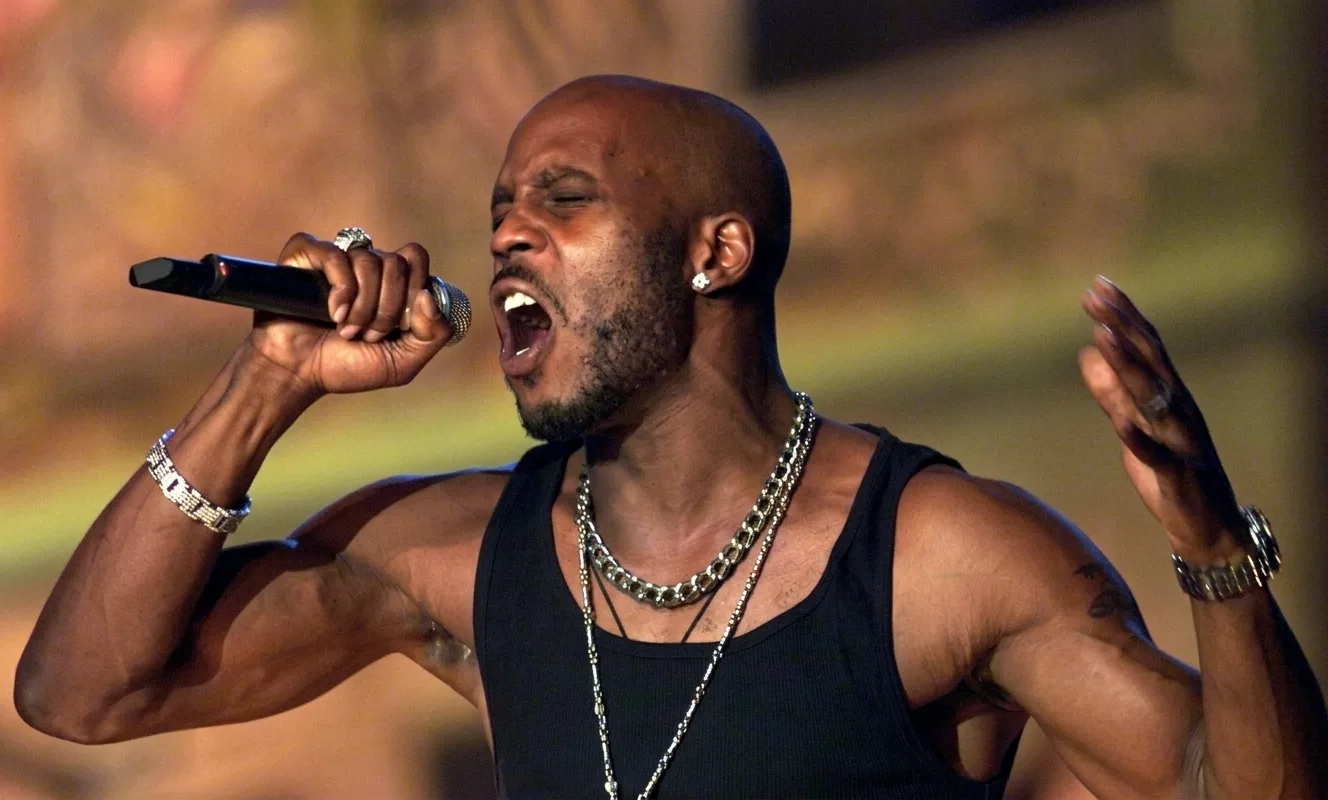
How Much Money Does DMX’s Music Still Make?
DMX’s music can continue generating revenue through streaming, licensed uses, and other authorized forms of distribution. Popular songs may attract new listeners years after their original release, particularly when they appear in films, television programs, sporting events, or online content.
However, public streaming numbers do not reveal the exact amount paid to an artist’s estate. Royalties depend on who owns the recording and publishing rights, the terms of distribution agreements, the number and type of streams, and other contractual arrangements.
Streaming and Digital Music
Digital platforms have made older music easier to discover. Listeners can find DMX’s albums and singles through music services, curated playlists, and recommendations based on their listening habits.
Streaming income is generally calculated under arrangements that differ by platform and rights holder. It is not accurate to multiply a public stream count by a single universal payment rate and treat the result as the estate’s earnings.
Film, Television, and Commercial Licensing
Music licensing can create revenue when a song is approved for use in a film, television production, advertisement, or other commercial project. A familiar track can also experience renewed interest when it is featured in a new release.
The financial benefit depends on the rights involved and the licensing agreement. Some uses may generate one-time payments, while others may involve additional royalties or separate payments for different rights.
Why the Estate’s Future Value Is Uncertain
The value of a music catalog depends on current revenue, future audience demand, rights ownership, expenses, and market conditions. It can increase if a catalog produces strong earnings or attract a different valuation if income declines.
For DMX’s estate, future earnings must also be considered alongside taxes, administration costs, and valid creditor claims. The existence of valuable music rights does not mean that the entire value is available for immediate distribution to heirs.
DMX’s Most Successful Albums and Songs
DMX’s commercial achievements remain a central part of his legacy. His music combined forceful performances with themes of struggle, loyalty, anger, faith, and personal conflict.
It’s Dark and Hell Is Hot
Released in 1998, It’s Dark and Hell Is Hot introduced DMX to a wide mainstream audience. The album’s intense sound and direct storytelling helped establish his identity and became a foundation for his later success.
Flesh of My Flesh, Blood of My Blood
His second album of 1998 also debuted at No. 1 on the Billboard 200. Its success reinforced his place among the leading rappers of the period and demonstrated the strength of his growing fan base.
…And Then There Was X
Released in 1999, this album included “Party Up (Up in Here),” one of his best-known songs. Its popularity helped carry his music into clubs, radio, and mainstream entertainment.
Other Recognizable Songs
DMX’s catalog includes “Ruff Ryders’ Anthem,” “What’s My Name?,” “Where the Hood At?,” and “X Gon’ Give It to Ya.” These tracks remain strongly associated with his musical identity.
His catalog’s cultural impact is separate from its financial valuation. Popularity can support continued revenue, but the amount received by his estate depends on ownership rights and commercial arrangements.

DMX’s Personal Life and Legacy
DMX’s life included major professional achievements as well as difficult personal experiences. His music often reflected the struggles he faced and connected with listeners who recognized the honesty and intensity of his performances.
He married Tashera Simmons in 1999, and they had four children together. The couple separated in 2010 and later divorced. DMX also had children with other partners, and his family life received considerable public attention.
His personal story included long-running struggles with substance use and repeated periods of legal trouble. These experiences affected his career and contributed to the challenges he faced outside music.
DMX died in White Plains, New York, on April 9, 2021, at age 50, following a cardiac arrest. His death prompted tributes from fans, musicians, and others in the entertainment industry.
His influence remains visible in hip-hop, especially through his vocal style, emotional delivery, and ability to combine aggressive tracks with reflective material. His legacy is not defined solely by the amount of money he accumulated.
For readers researching DMX net worth, the most important distinction is between his commercial success and his final financial position. His career generated significant opportunities, but debts and other obligations complicated the wealth he left behind.
Frequently Asked Questions
1. What was DMX net worth when he died?
A commonly reported estimate was negative $1 million, although his final net worth was not officially confirmed.
2. How did DMX make his money?
He earned money from music, concerts, royalties, acting roles, and licensing opportunities.
3. How many children did DMX have?
DMX was widely reported to have 15 children.
4. Did DMX leave a will?
No, DMX died without a will, which complicated his estate administration.
5. Does DMX’s music still earn money?
Yes, his catalog can generate ongoing revenue through streaming, licensing, and other authorized uses.
Final Thoughts
DMX became a major figure in hip-hop through successful albums, memorable songs, live performances, and film appearances. Although his career generated significant income, bankruptcy proceedings, tax obligations, child support, and other financial challenges affected his position later in life.
The commonly reported negative $1 million estimate for DMX net worth should be understood as an unofficial figure rather than a definitive accounting of his estate. His music catalog continues to carry commercial and cultural value, but the amount ultimately available to his heirs depends on ownership rights, expenses, and legal obligations. More than five years after his death, DMX remains remembered for his distinctive voice, influential music, and lasting place in hip-hop history.
You Can Must Read About Our Latest Article: Janine Tate Net Worth
